
Do your gums bleed during your daily oral hygiene routine?
Bleeding gums are not normal and commonly signify the presence of gum disease. If gentle routine brushing causes your gums to bleed, it’s important to visit your Davidsonville dental office right away. Gum disease is a progressive disease that affects not only your smile but the well being of your entire body. Catching gum disease early on can help you manage the spread of bacteria and prevent further damage to your smile.
What Causes Gums To Bleed?
Gums bleed when the gum tissue is infected with bacteria and becomes inflamed. Brushing, flossing, or eating can agitate the sensitive gum tissue causing it to bleed. Plaque and tartar that build up at the gum line contain bacteria. Without routine professional cleanings to remove the buildup bacteria begins to spread, irritating the gumline and can result in inflammation, increased rates of tooth decay and the deterioration of the jaw bone.
Anyone is susceptible to developing gum disease. There are certain risk factors that could increase your risk. Some patients are more predisposed to developing gum disease, while other risk factors can be controlled.
Risk Factors for Gum Disease Include:
- Lifestyle and dietary habits
- Any form of tobacco use
- Genetics
- Pre-existing medical conditions
- Use of certain medications
- Pregnancy and hormonal shifts
Stages of Gum Disease
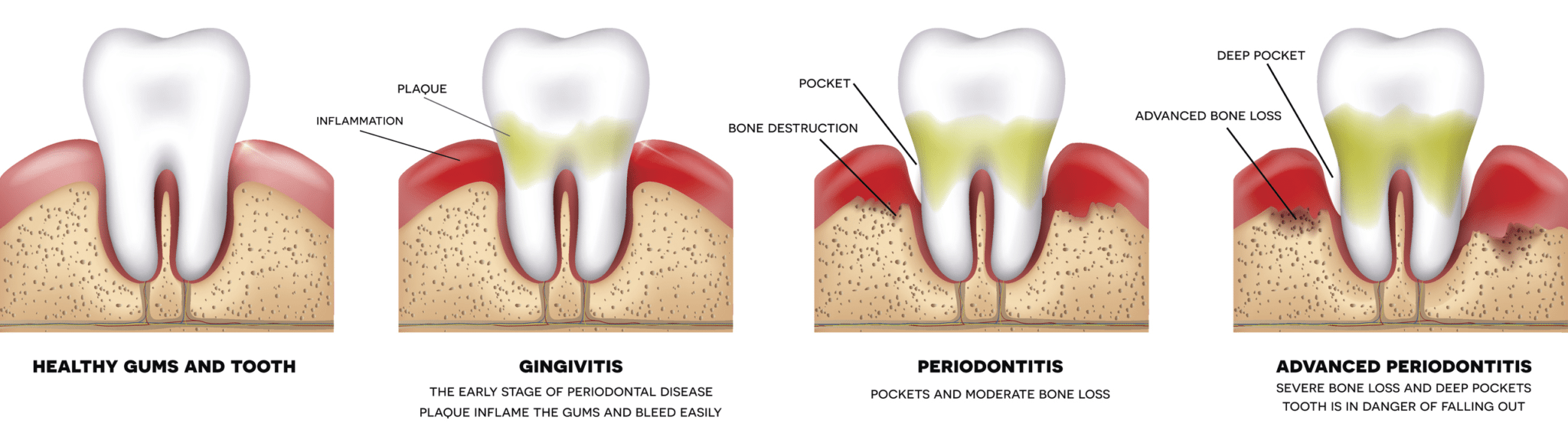
Patients with gum disease are more susceptible to developing a wide range of health complications. Advanced gum disease (periodontitis) is often accompanied by gum recession, tooth loss and even bone loss. Over time patients with periodontitis experience a loss of structure in the face resulting in the regression of the jaw bone and premature aging. Patients with gum disease are also in a demographic more prone to inflammation, cardiovascular disease, diabetes, and an increased risk of heart attacks and strokes.
Is Gum Disease Preventable?
Gum disease can be prevented and controlled to prevent the spread of bacteria and additional damage to your teeth, gums, and jaw. The best way to combat gum disease is through a proactive oral hygiene routine. Dr. Eun, Dr. Wooddell, and Dr. Passaro recommend patients brush their teeth at least twice a day for a full two minutes and floss at least once a day. A healthy diet and avoiding tobacco can also help keep your gums healthy. Patients should visit the dentist for routine dental health exams once every 3, 4 or 6 months, depending on the condition of your oral health.
It is important to practice periodontal maintenance by visiting the dentist for a dental checkup and professional teeth cleaning on a regular basis. Our dental hygienists use special tools that work to remove the plaque and tartar buildup from the gum line. Teeth cleanings can manage bacteria and prevent secondary dental and systemic health conditions from developing.
Bleeding Gums FAQs
Bleeding gums can be a serious issue that you shouldn’t ignore. Learn more by reading the answers to these commonly asked questions.
Are bleeding gums normal?
Bleeding gums are not considered normal, even if they occur occasionally. Healthy gums should be firm and pink and should not bleed during brushing or flossing. Bleeding is often an early warning sign of gingivitis. Prompt attention can prevent more serious gum disease.
Can brushing too hard cause bleeding gums?
Yes, brushing too aggressively can damage the gum tissue. Hard brushing can cause irritation and make gums bleed. Using a soft-bristled toothbrush and gentle technique helps protect gums. Proper brushing should clean teeth without causing injury.
Does flossing make gums bleed?
Flossing may cause bleeding if the gums are already inflamed. This often happens when flossing is inconsistent. Regular flossing helps reduce inflammation over time. Bleeding typically decreases as gum health improves.
Can bleeding gums indicate a serious health condition?
In some cases, bleeding gums can be linked to systemic health conditions. These include diabetes, vitamin deficiencies, or blood disorders. Hormonal changes can also affect gum health. A dental evaluation can help determine the cause.
Do bleeding gums mean I will lose my teeth?
Bleeding gums alone do not mean tooth loss is inevitable. However, untreated gum disease can lead to bone loss and tooth mobility. Early treatment prevents progression. Regular dental care protects teeth.
Are bleeding gums reversible?
Yes, bleeding gums caused by gingivitis are reversible. Improved oral hygiene and professional care restore gum health. Early treatment prevents permanent damage. Prompt action leads to positive outcomes.
Are bleeding gums common in children?
Bleeding gums can occur in children, especially if oral hygiene is poor. Erupting teeth and plaque buildup can irritate gums. Regular brushing and dental visits help prevent issues. Persistent bleeding should be evaluated.
What happens if bleeding gums are left untreated?
Untreated bleeding gums can progress to periodontal disease. This may lead to bone loss and tooth loss. Gum disease also affects overall health. Early treatment prevents complications.
How does diabetes affect bleeding gums?
Diabetes increases the risk of gum disease. High blood sugar affects healing and inflammation. Bleeding gums may be an early sign of diabetes-related oral issues. Managing blood sugar supports gum health.
When should I see a dentist about bleeding gums?
You should see a dentist if bleeding persists for more than a week. Swelling, pain, or bad breath are additional warning signs. Early evaluation prevents progression. Professional care is important.
Periodontal Therapy
Gum disease is a common dental concern that will affect over 50% of American Adults.
Patients with gum disease benefit from more frequent routine dentist visits and improved at home oral hygiene. Dr. Eun, Dr. Wooddell, and Dr. Passaro offer comprehensive periodontal therapy treatment plans to help patients restore the health of their gums and teeth. Our dental care team will make personalized oral hygiene recommendations to help you improve the daily care of your teeth and gums. Give us a call at (410) 343-7075 or request an appointment online.